


Building Permits in Marbella: A Complete Guide for Foreign Investors
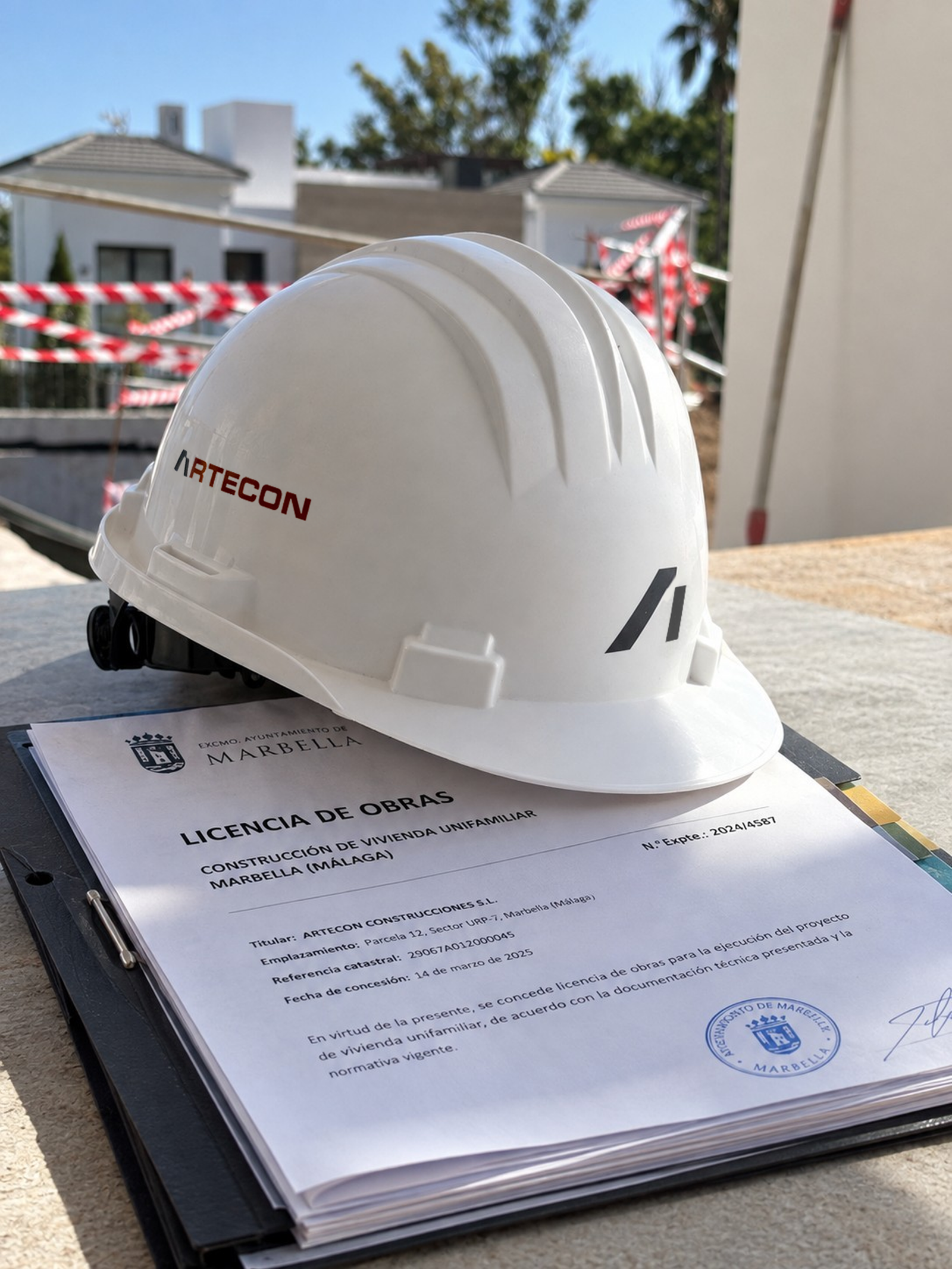
The Costa del Sol property market, especially around Marbella and Estepona, attracts international investors keen to develop high-end residential projects. But turning an architectural vision into a viable project requires a good understanding of the planning rules and administrative procedures that apply. One of the main challenges for foreign developers and owners is working out which permits they need to carry out the works. Proper technical and administrative planning from the outset reduces risk, anticipates requirements and protects the investment.
The legal framework: why are building permits mandatory?
In Spain, construction and renovation work is subject to national, regional and municipal regulations, including the Building Act (Ley de Ordenación de la Edificación, LOE), the Spanish Building Code (CTE) and Andalusian planning legislation.
Carrying out works without the required authorisation can lead to fines, stop orders and other measures to restore planning legality, depending on the circumstances and the applicable rules.
For international investors, understanding the administrative procedures from the earliest stages is essential to plan the works, control risk and avoid issues that could affect the schedule.
Types of building permit at municipal level
Depending on the scale of the project, the town hall uses different application routes:
-
Minor works licence (Licencia de Obra Menor): for light works that don’t affect the structure, the volume or the main aesthetic features of the building. It covers occasional interior refurbishments, updated finishes or replacement of secondary installations, such as a bathroom or kitchen renovation.
-
Major works licence (Licencia de Obra Mayor): the essential permit for new homes, structural extensions, changes to façades or major restructuring of luxury villas. The application requires a technical project approved (visado) by a registered architect and rigorous compliance with the Spanish Building Code (CTE). It applies, for example, to luxury villa construction and to new structural works.
The application process: challenges and timescales on the Costa del Sol
Obtaining a building permit in towns such as Marbella or Estepona means dealing with planning departments whose response times can run to several months, depending on the technical complexity of the project. The main milestones are:
-
Drafting the execution project: architectural drawings, structural calculations and health and safety studies adapted to regional and local regulations.
-
Submission and professional approval: filing the documentation with the town hall and paying the relevant planning fees.
-
Sector reports: review by municipal technicians (environment, heritage or infrastructure, depending on the plot’s location).
-
Grant and start of works: a favourable decision that allows construction to start under technical supervision.
Strategies to avoid administrative delays
To reduce the risk of stoppages and keep timescales tight, the most demanding investors rely on a centralised management structure. Delegating technical communication with the authorities allows you to:
-
Resolve planning issues faster thanks to first-hand knowledge of local procedures.
-
Make sure the technical documentation complies precisely with the CTE, avoiding correction requests that delay the start of works.
-
Fit the permits into an overall plan that runs from the foundations to the future First Occupancy Licence (LPO).
To ensure every phase of your development meets the highest standards of structural precision and scheduling, you need an integrated approach, as explained in our article on turnkey luxury villa construction in Marbella. For investors who operate from abroad, independent supervision through professional project management in Spain provides continuous control of costs, deadlines and workmanship; read more about it in how project management protects your investment. And if your strategy is to revitalise an existing property rather than build new, explore our full home renovation services, designed to add value in full compliance with current regulations.